
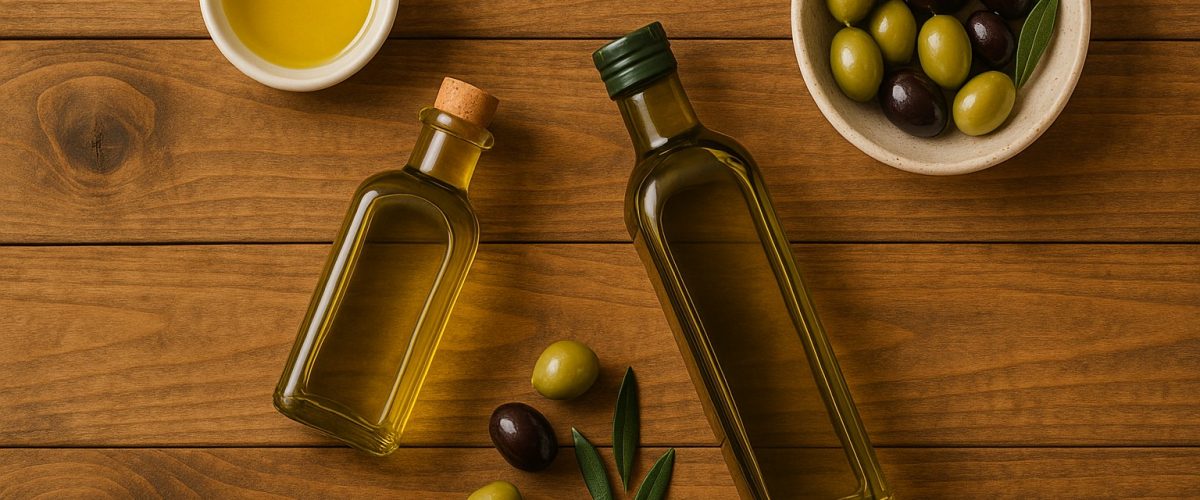
It’s been called “liquid gold” for decades — but is it really the health hero everyone thinks it is? Let’s separate fact from drizzle-worthy fiction.
The Good News
Olive oil deserves much of its praise.
It’s rich in monounsaturated fats, which help lower “bad” LDL cholesterol and reduce the risk of heart disease.
It’s also loaded with antioxidants — especially polyphenols — that fight inflammation and support brain health.
A Harvard study found people who regularly used olive oil in place of butter or margarine had up to a 19% lower risk of cardiovascular disease.
⚠️ The Caveats
Not all olive oil is created equal.
Many supermarket brands labeled “extra virgin” are mixed or refined oils with fewer antioxidants and less flavor.
Also, while healthy, olive oil is calorie-dense — a tablespoon has about 120 calories. So moderation matters.
Pro Tip: Look for cold-pressed, dark-bottle oils labeled with a harvest date within the last 18 months. That’s how you know it’s fresh and potent.
When to Use (and When Not To)
- Best for: Salad dressings, drizzling, or low-to-medium-heat cooking.
- Avoid for: Deep-frying or high-heat searing — olive oil’s smoke point is lower than avocado or grapeseed oil.
The Bottom Line
Olive oil is one of the healthiest fats you can use — just make sure it’s real, fresh, and not overused.
A little drizzle can do a lot of good.
Mini Takeaway:
Olive oil lives up to the hype — when you pick the right kind and use it wisely. It’s less about the brand and more about the bottle.